See the illustrations in their proper role
Look at character, setting and composition while keeping editorial artwork separate from product evidence.
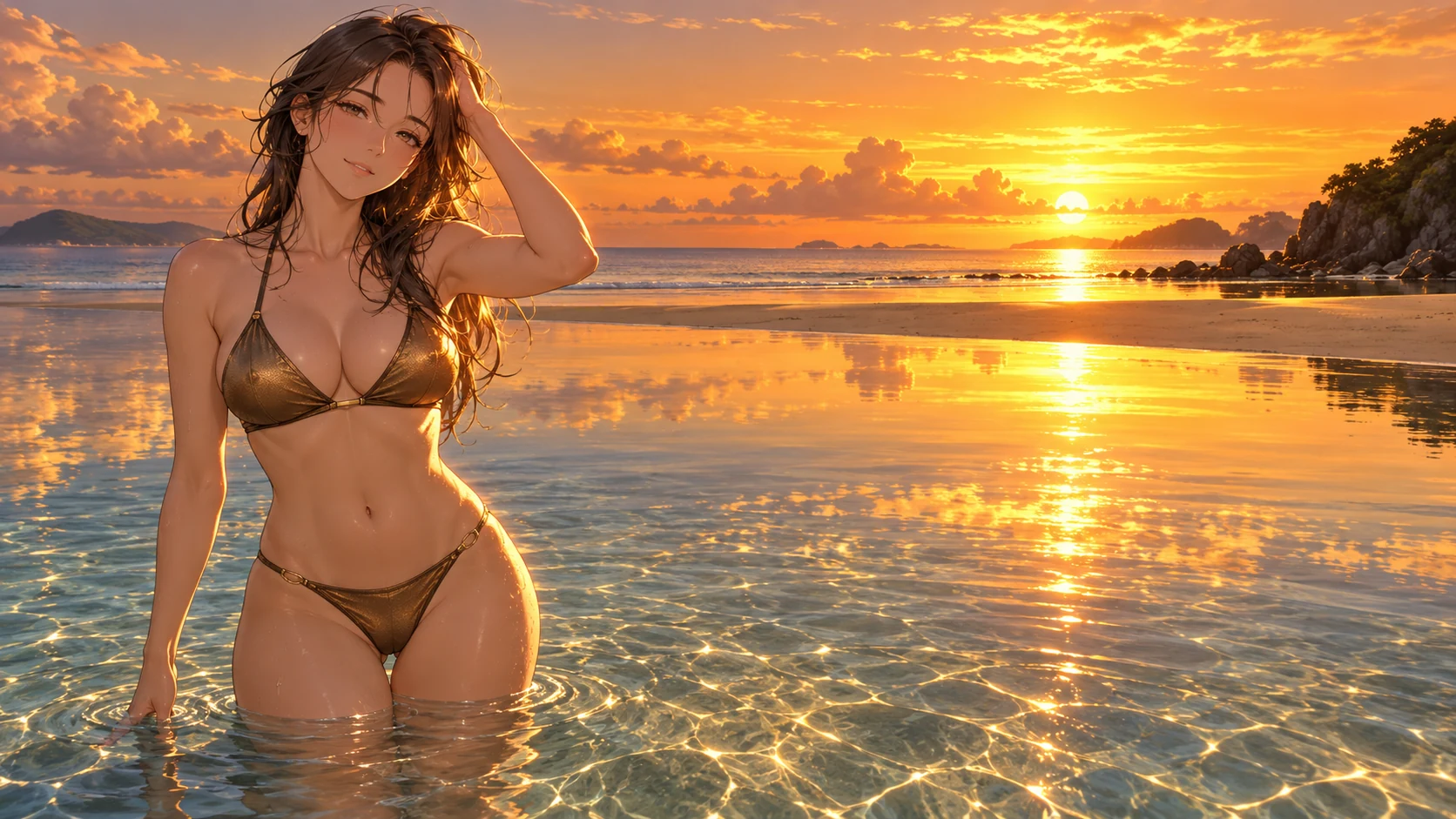
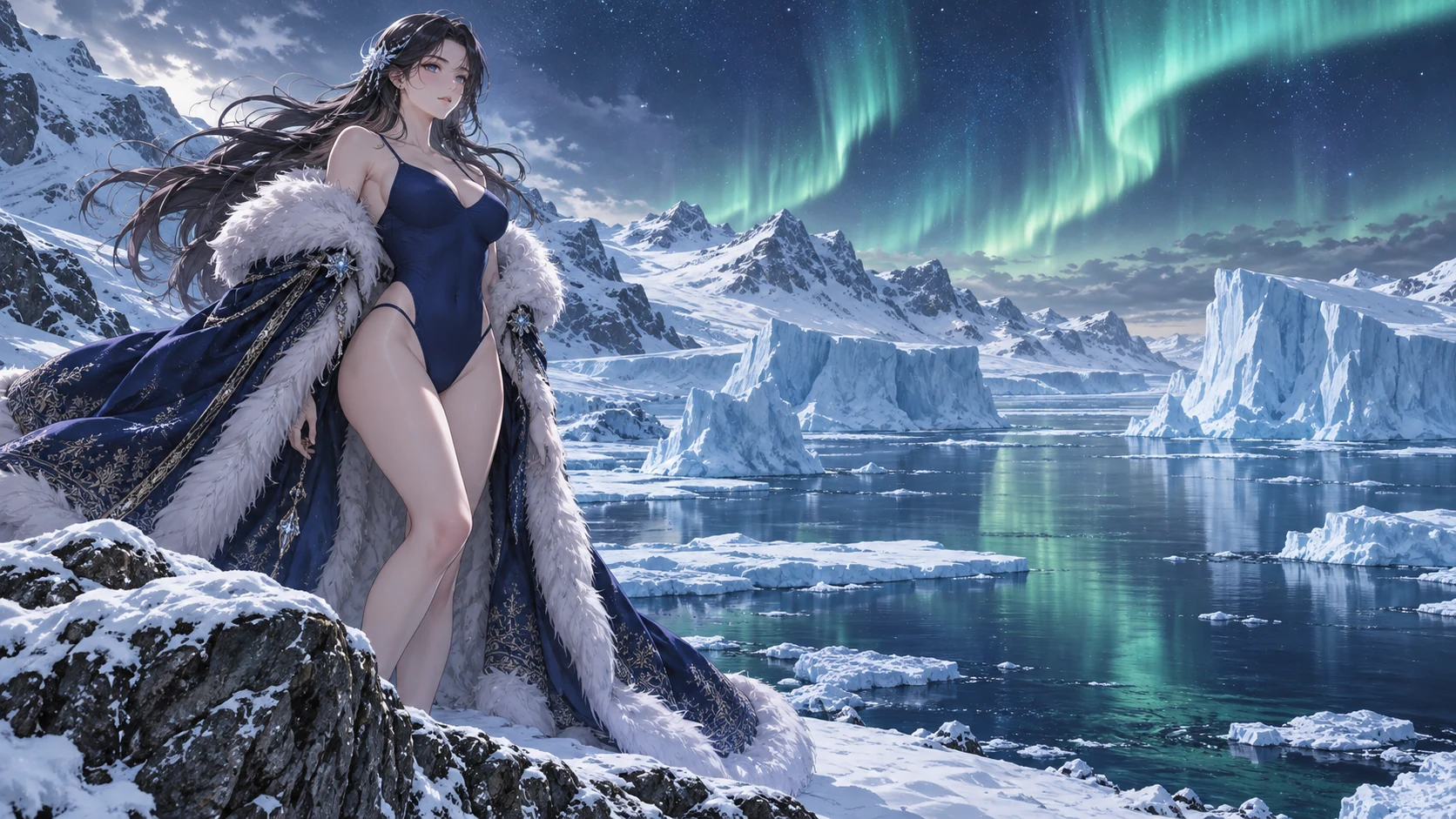
This anime art gallery brings together illustrations from the existing Hitomila artwork set. The images provide visual context for the guides: character design, color, setting and composition. They are not manga chapters, streaming frames or screenshots from a third-party game library.
They also are not records of output tests for AiNudez, Pornworks, UndressWith or WaveSpeed AI. A decorative image on a service card does not establish which tool produced it or how many attempts a project would need. The editorial method explains that distinction.
These illustrations provide visual context, not recorded service results.
Use the gallery to explore visual presentation while keeping product decisions separate. The AI comparison covers published tool features. The format guide explains how illustration, reading and animation create different experiences.
The gallery contains clearly adult fictional character illustrations and does not accept uploads. It is not a collection of third-party works or an invitation to repost another creator’s material. Questions about an image on this publication belong with the copyright information and editorial contact channels.
Look at the setting as well as the character
Environment and palette
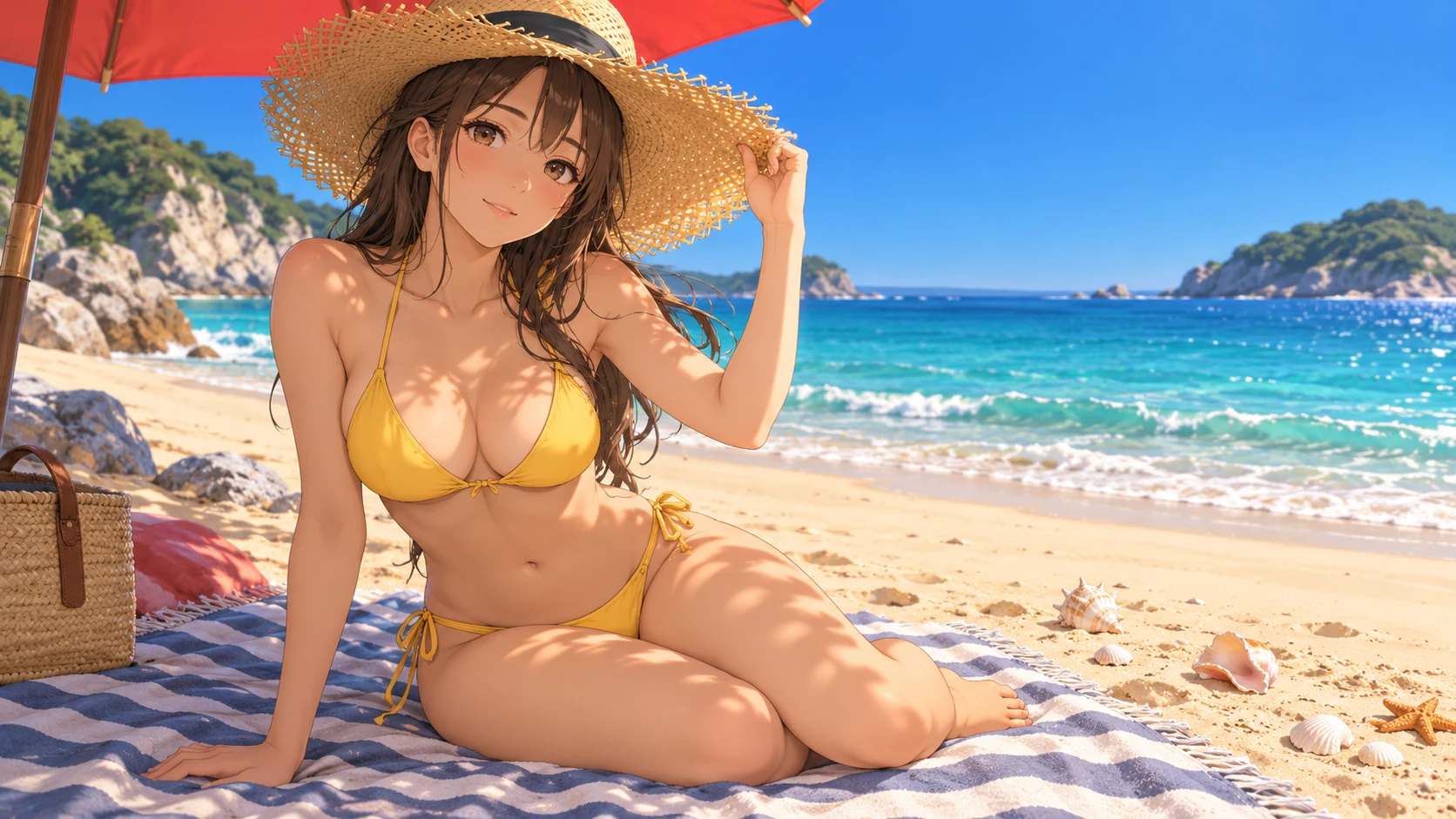
A background changes how an illustration reads. A garden, city terrace or hot spring supplies a different atmosphere before you focus on details of the character. Look at how the setting supports the composition rather than treating it as unused space around a portrait.
Color can connect the clothing, lighting and environment. Warm highlights, cool shadows or a limited palette affect which parts of the image draw attention first. These are observations about the editorial artwork, not measurements of an image service’s accuracy or consistency.
Pose and visual mood
The character’s pose and expression can establish a visual mood without telling a complete story. A single illustration leaves more open than a sequence of panels or an animated production. Enjoy the image on its own terms rather than treating it as a synopsis of a work it does not represent.
For reading or viewing decisions, use the relevant manga and animation guides. They explain editions, language and access. An attractive editorial image can introduce those topics, but it cannot answer the provider’s practical questions.
Twelve illustrations from the editorial set
-
The images below also appear in our editorial guides. The captions describe their subjects and settings. No provider, model, plan or test date is attributed to them. A nearby service link refers to that service separately from the illustration.
-
A gallery can make composition easier to inspect because the images are presented together. Compare the balance of figure and setting, the direction of light and the use of color. Those visible characteristics can be discussed without attributing the artwork to a provider that has not been documented.
-
The captions do not claim that a merchant supplied these images or that they measure its output quality. A recorded service sample would need its own provenance and task information. See the evidence requirements for that separate kind of content.
-
If you want to work on original artwork, begin with material you own or have permission to use. The tool guide covers input and export questions. Viewing an illustration here does not automatically grant permission to reuse it in a commercial project.
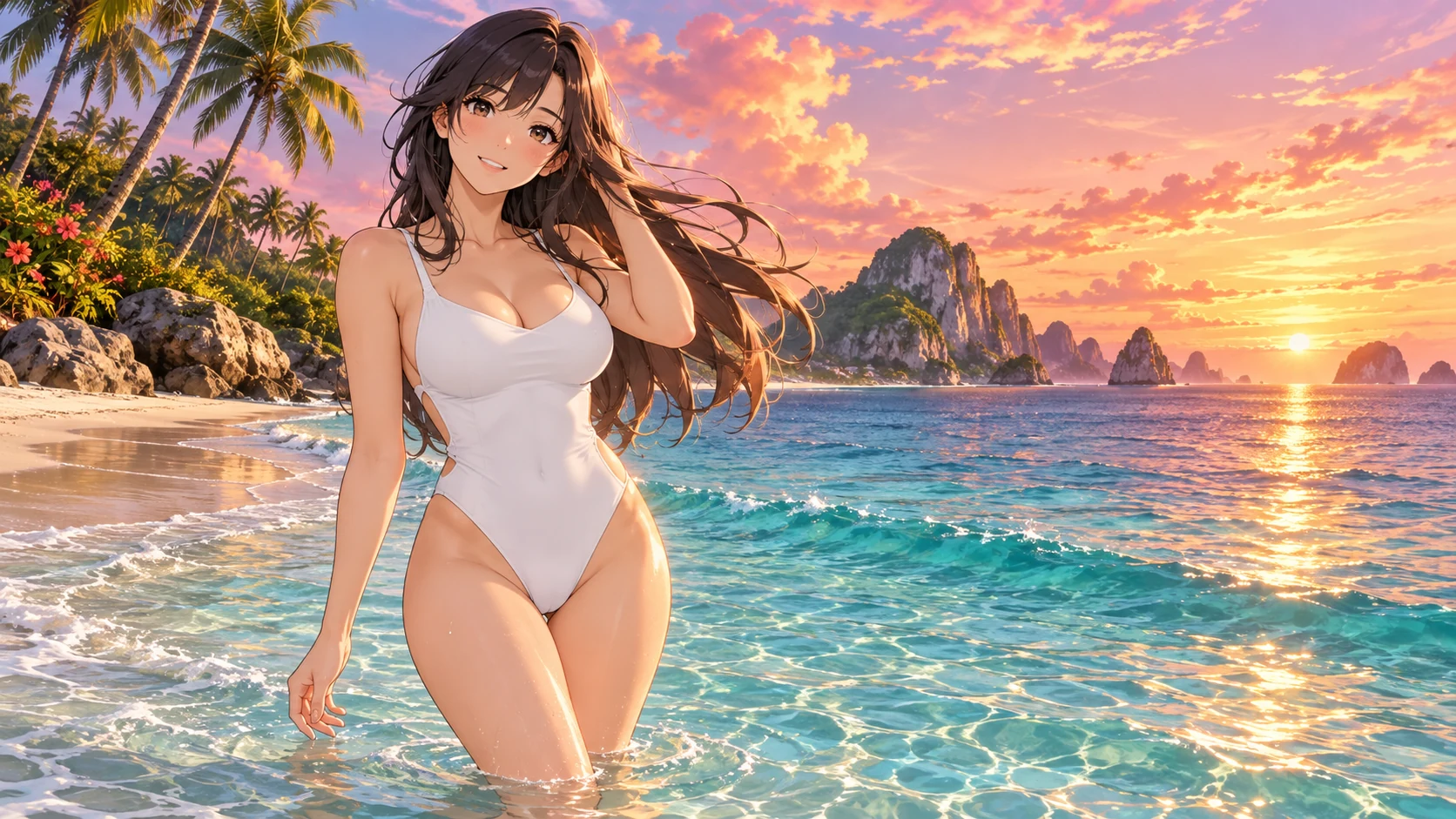
anime character in a white swimsuit on a tropical beach at sunset
Editorial illustration from the existing artwork set. Not a provider test result.
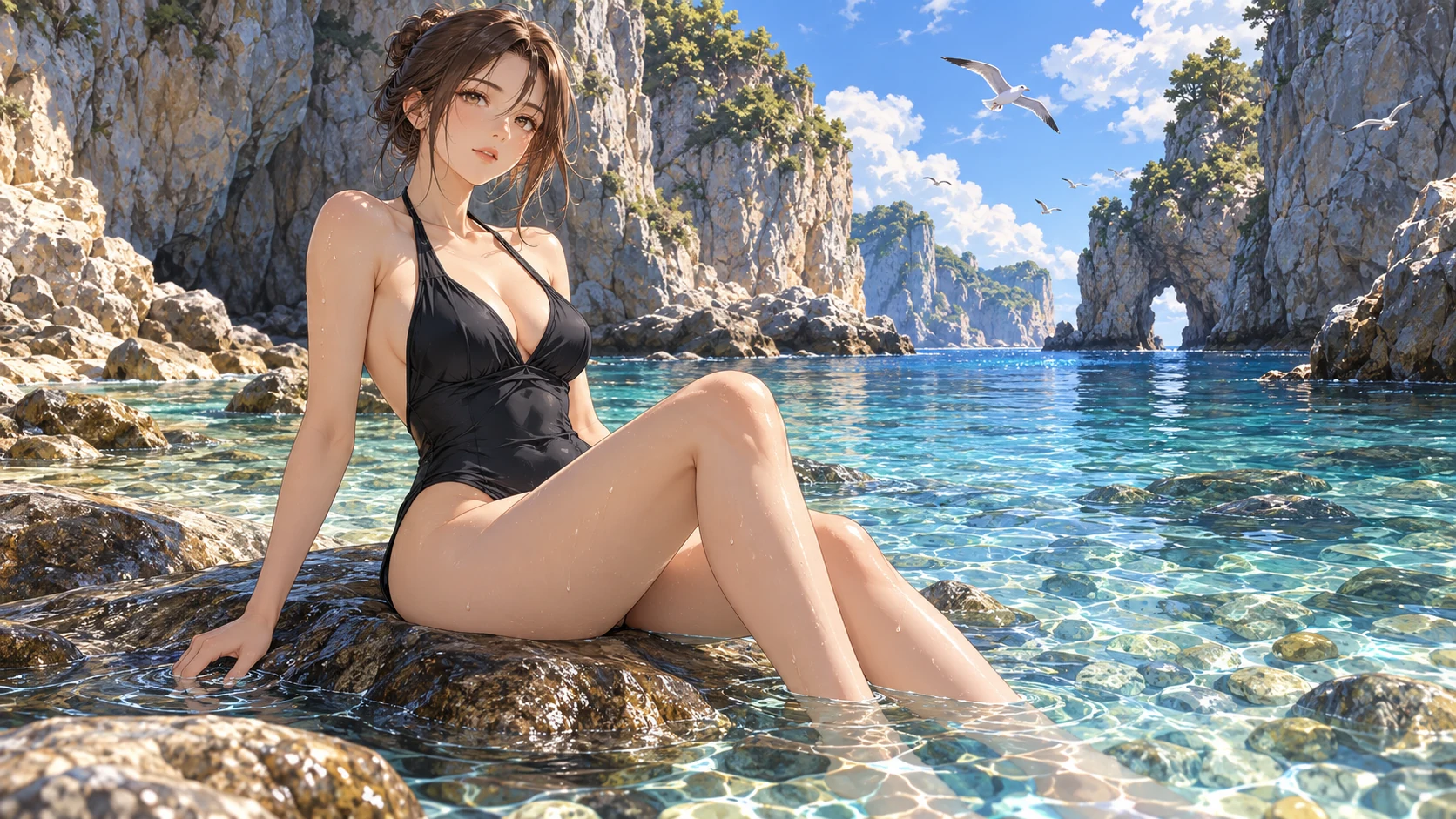
anime character in a black swimsuit beside a rocky cove
Editorial illustration from the existing artwork set. Not a provider test result.
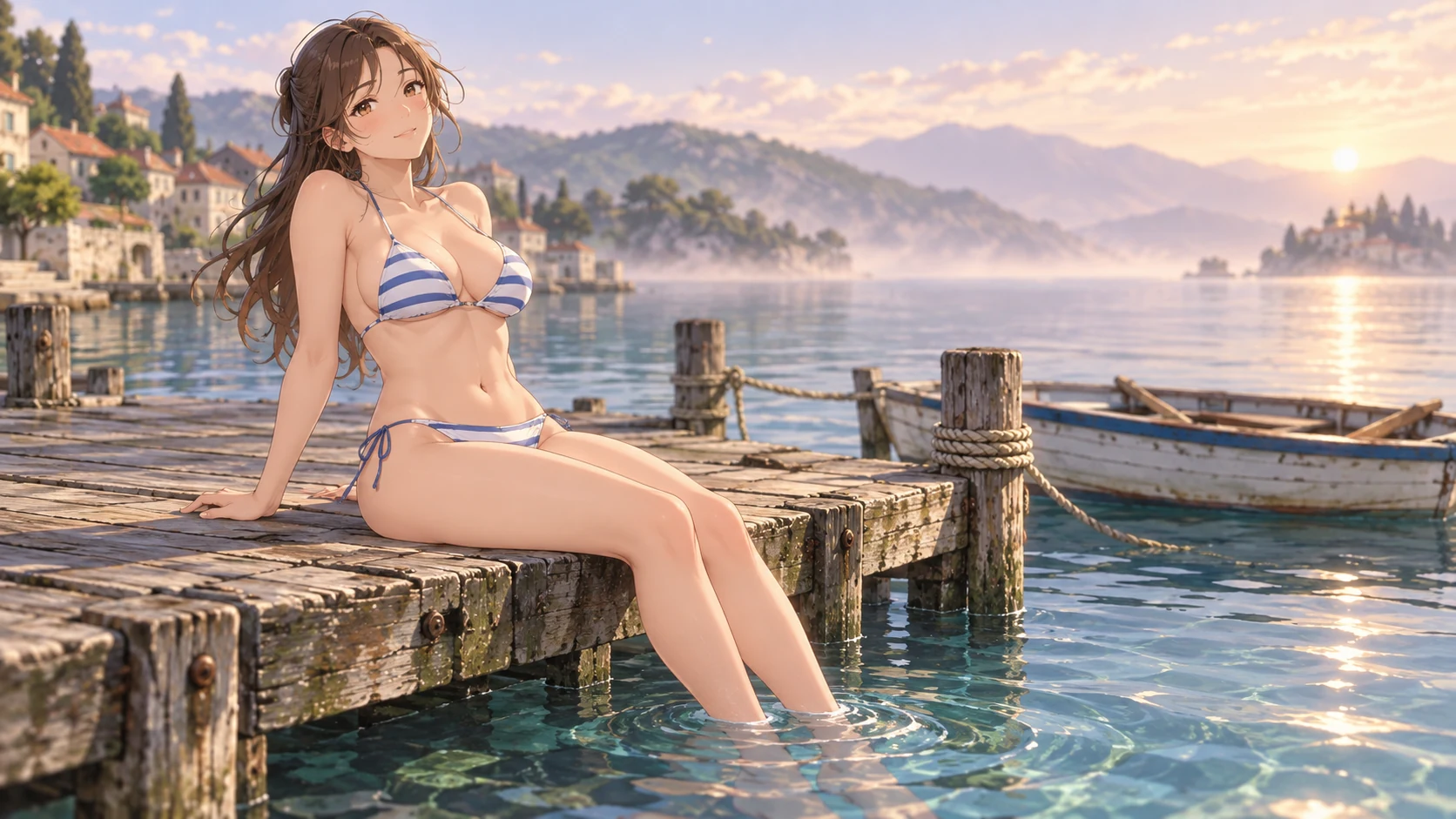
anime character in a striped bikini sitting on a wooden pier
Editorial illustration from the existing artwork set. Not a provider test result.
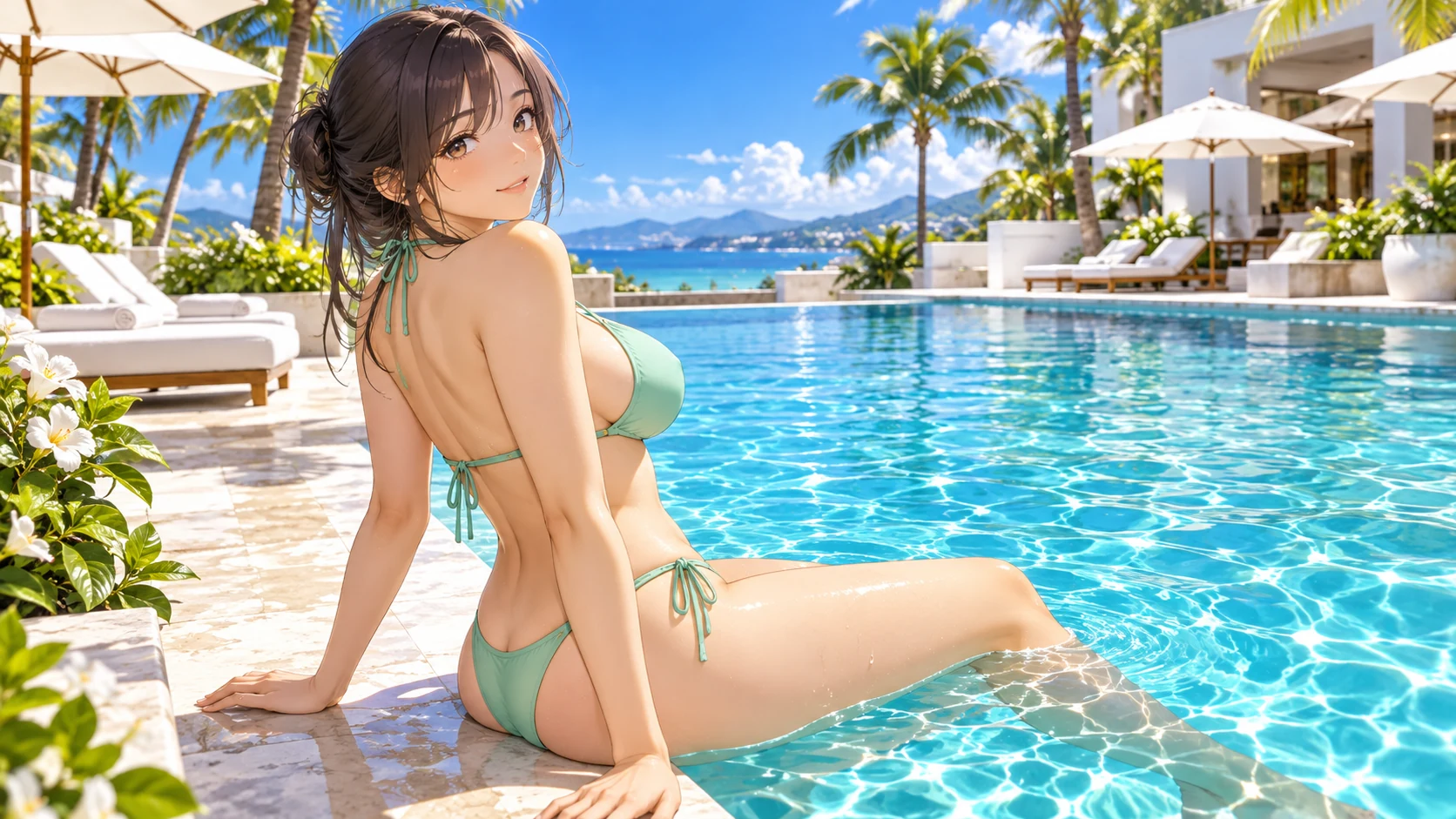
anime character in a mint bikini beside a sunny pool
Editorial illustration from the existing artwork set. Not a provider test result.
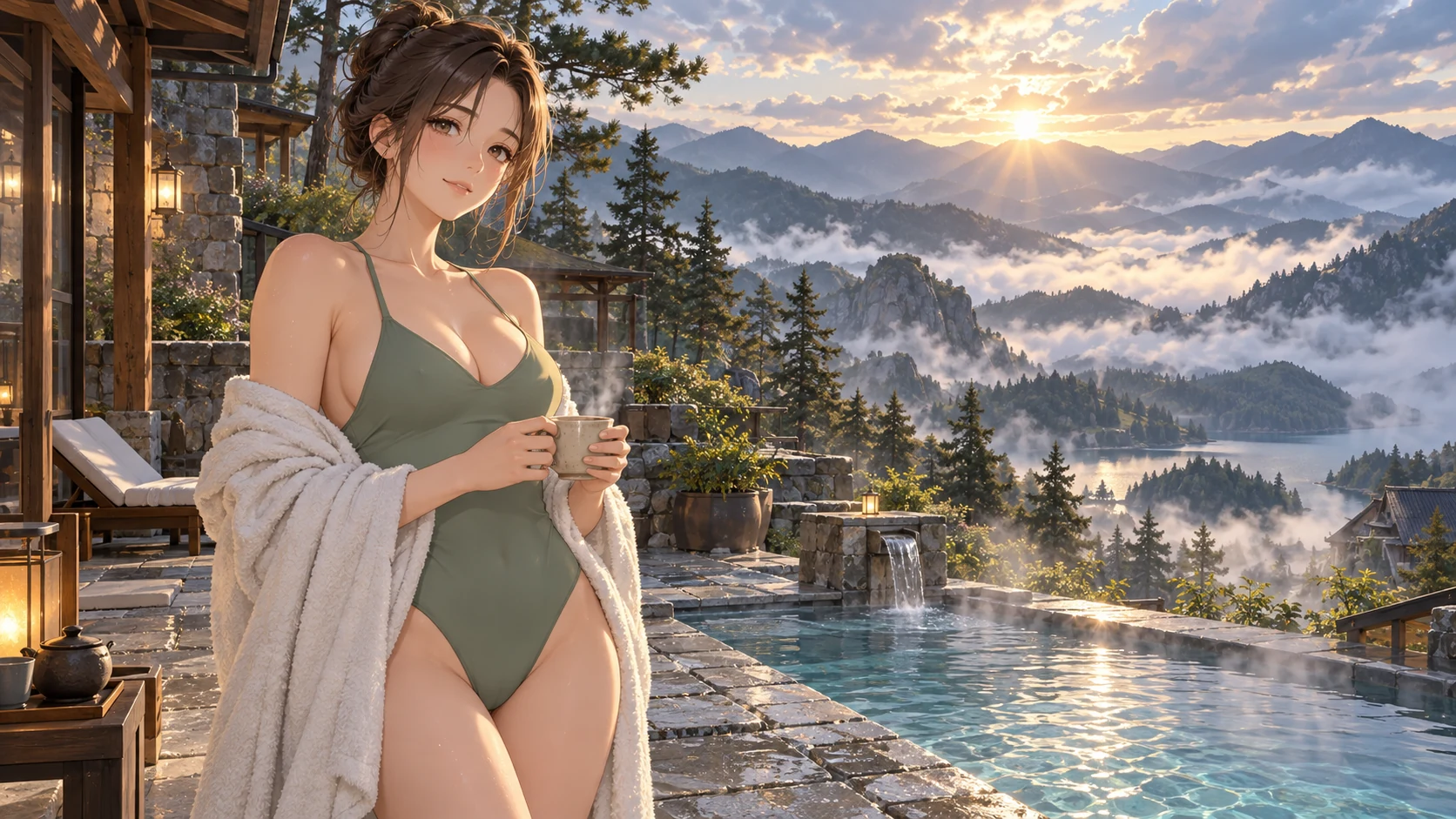
anime character in a green swimsuit beside a mountain pool
Editorial illustration from the existing artwork set. Not a provider test result.
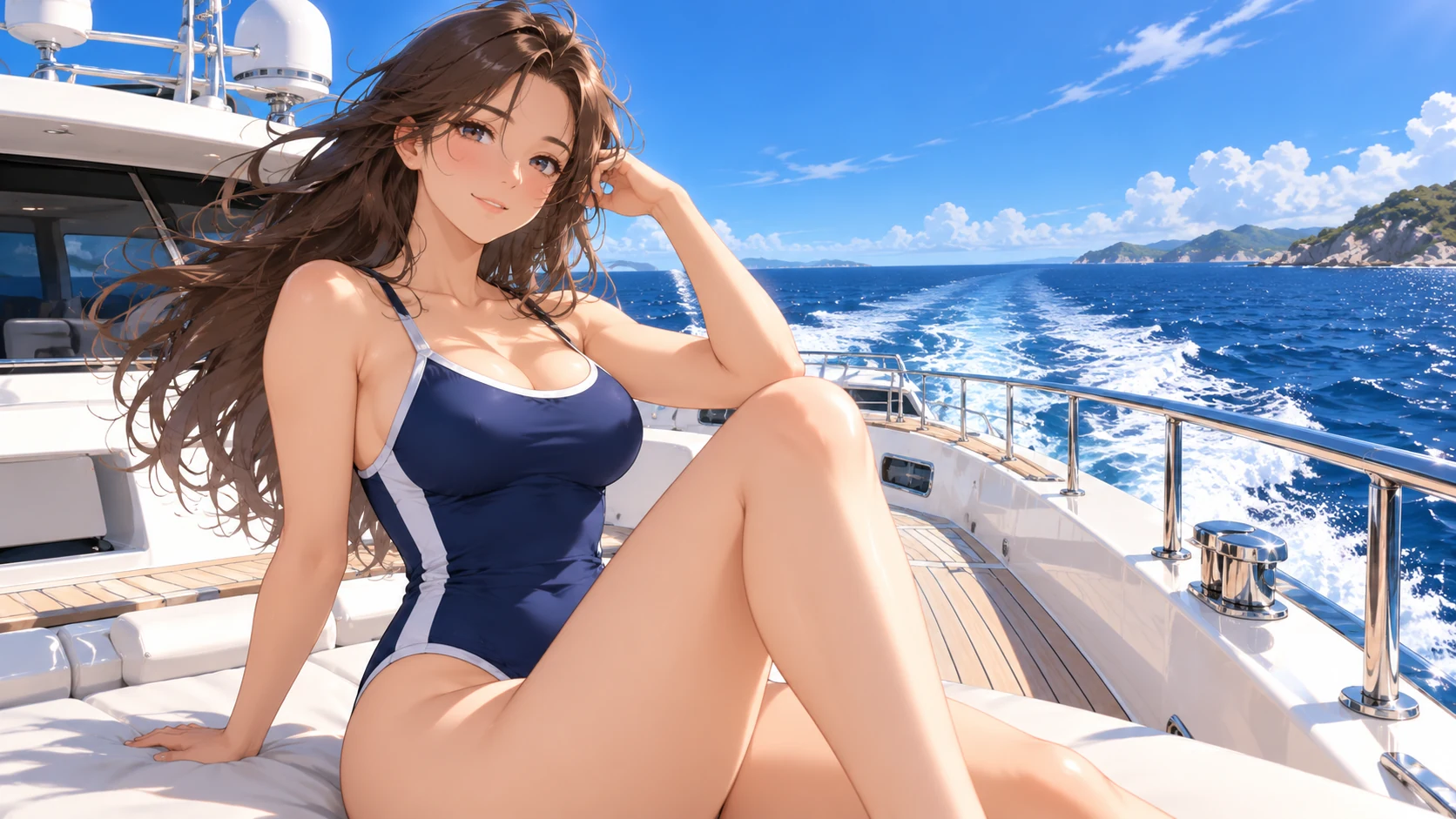
anime character in a navy swimsuit on a yacht
Editorial illustration from the existing artwork set. Not a provider test result.
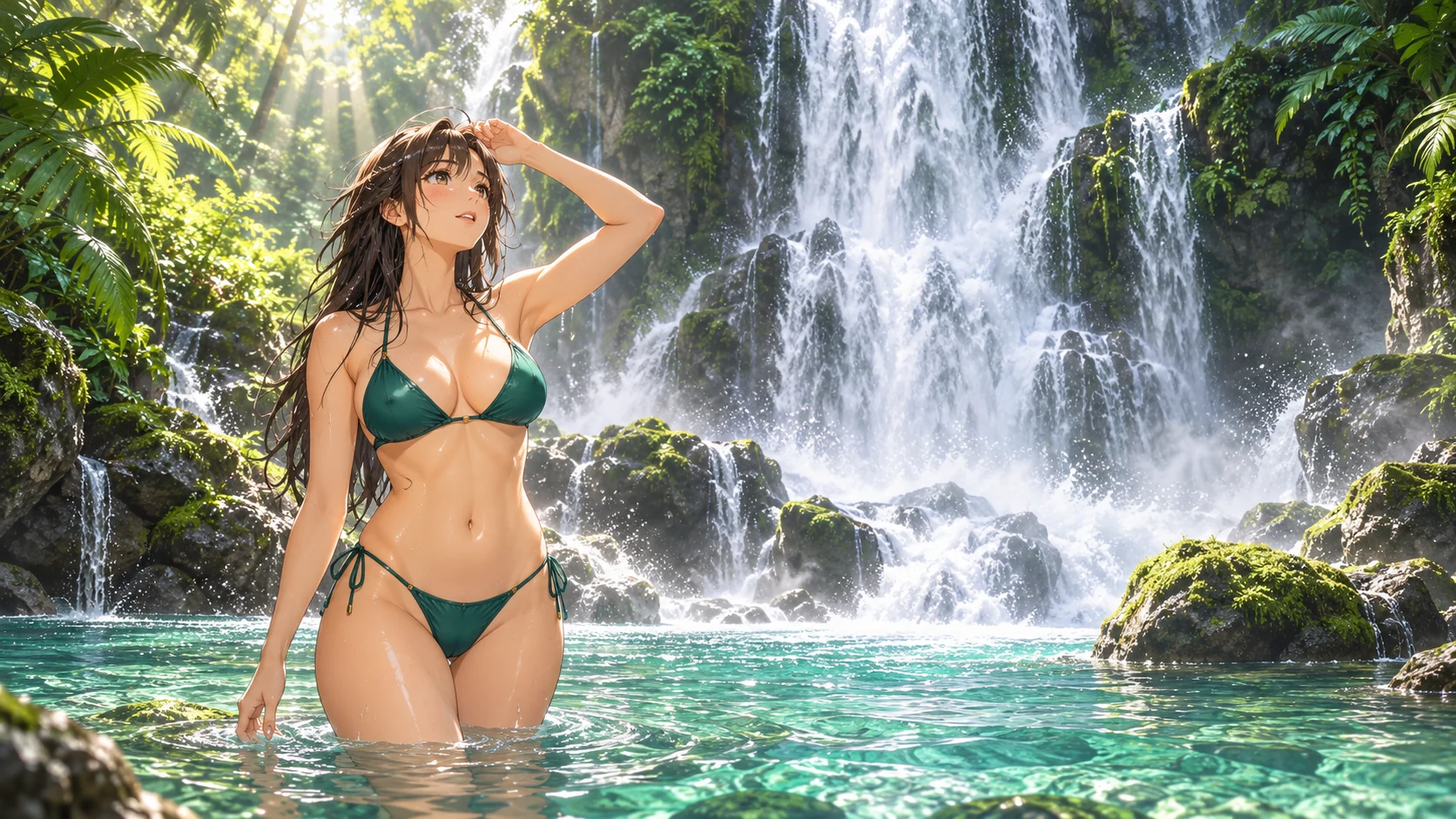
anime character in a green bikini beside a waterfall
Editorial illustration from the existing artwork set. Not a provider test result.
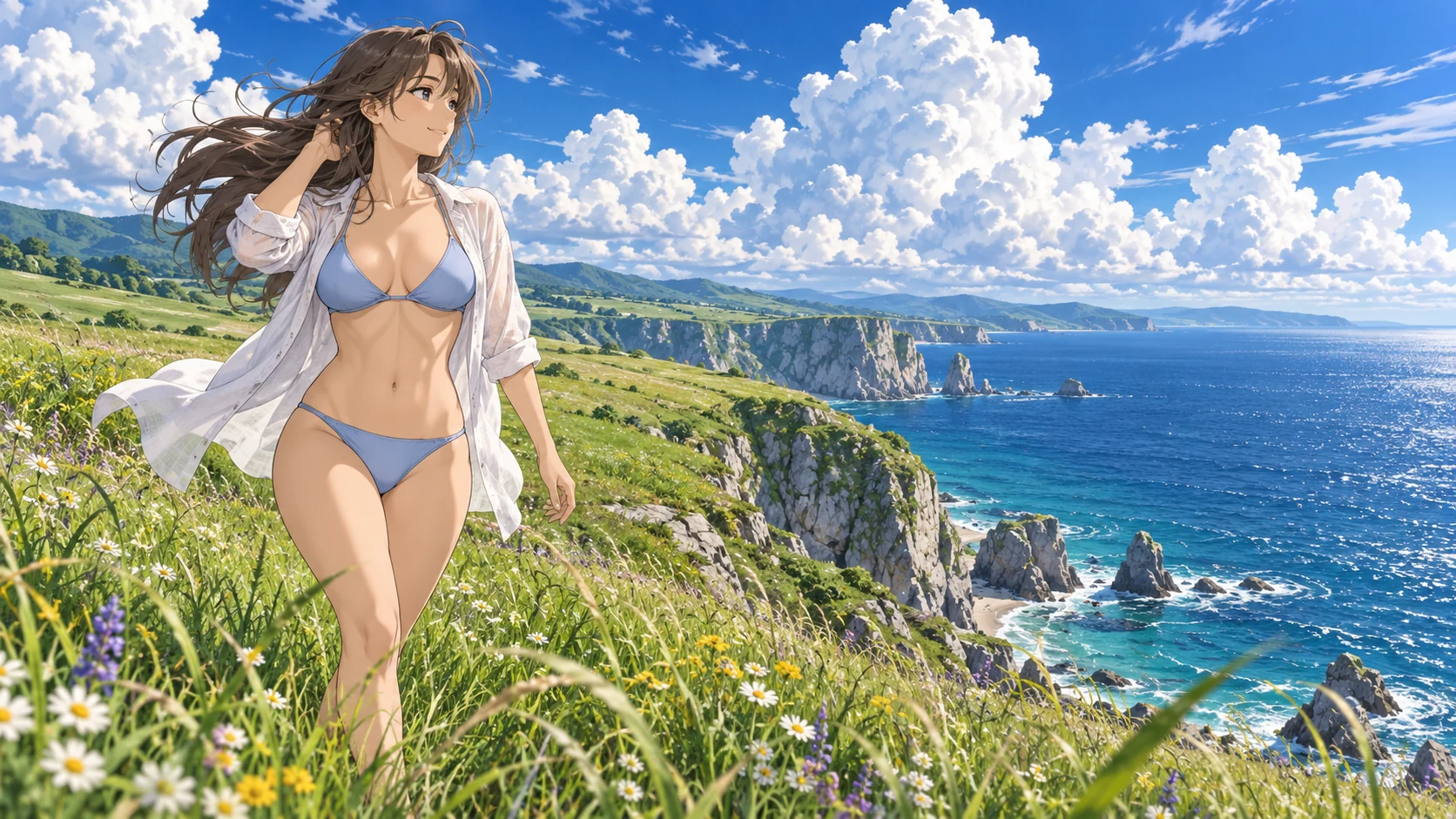
anime character in a lavender bikini beside coastal cliffs
Editorial illustration from the existing artwork set. Not a provider test result.
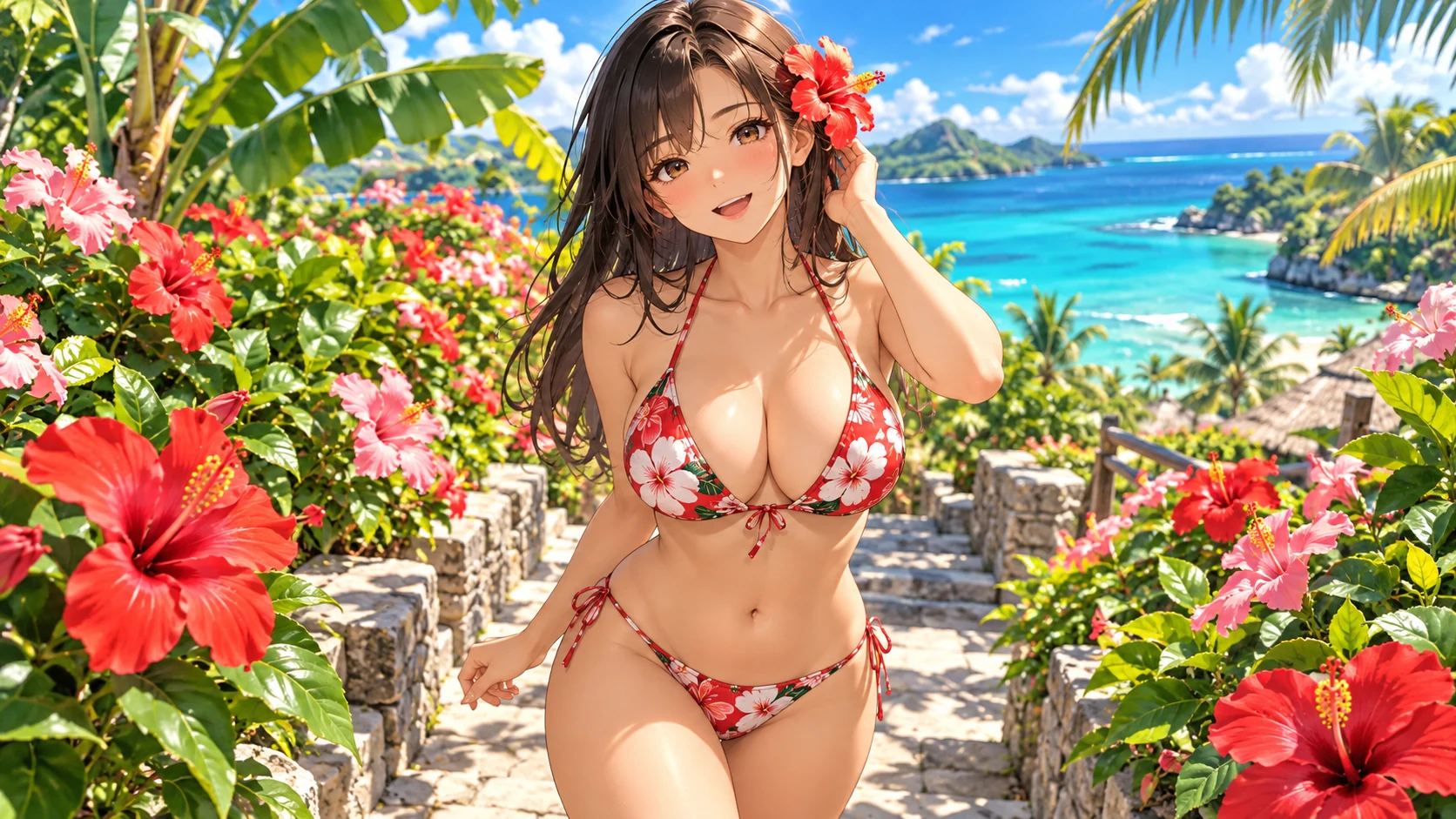
anime character in a floral bikini in a tropical garden
Editorial illustration from the existing artwork set. Not a provider test result.
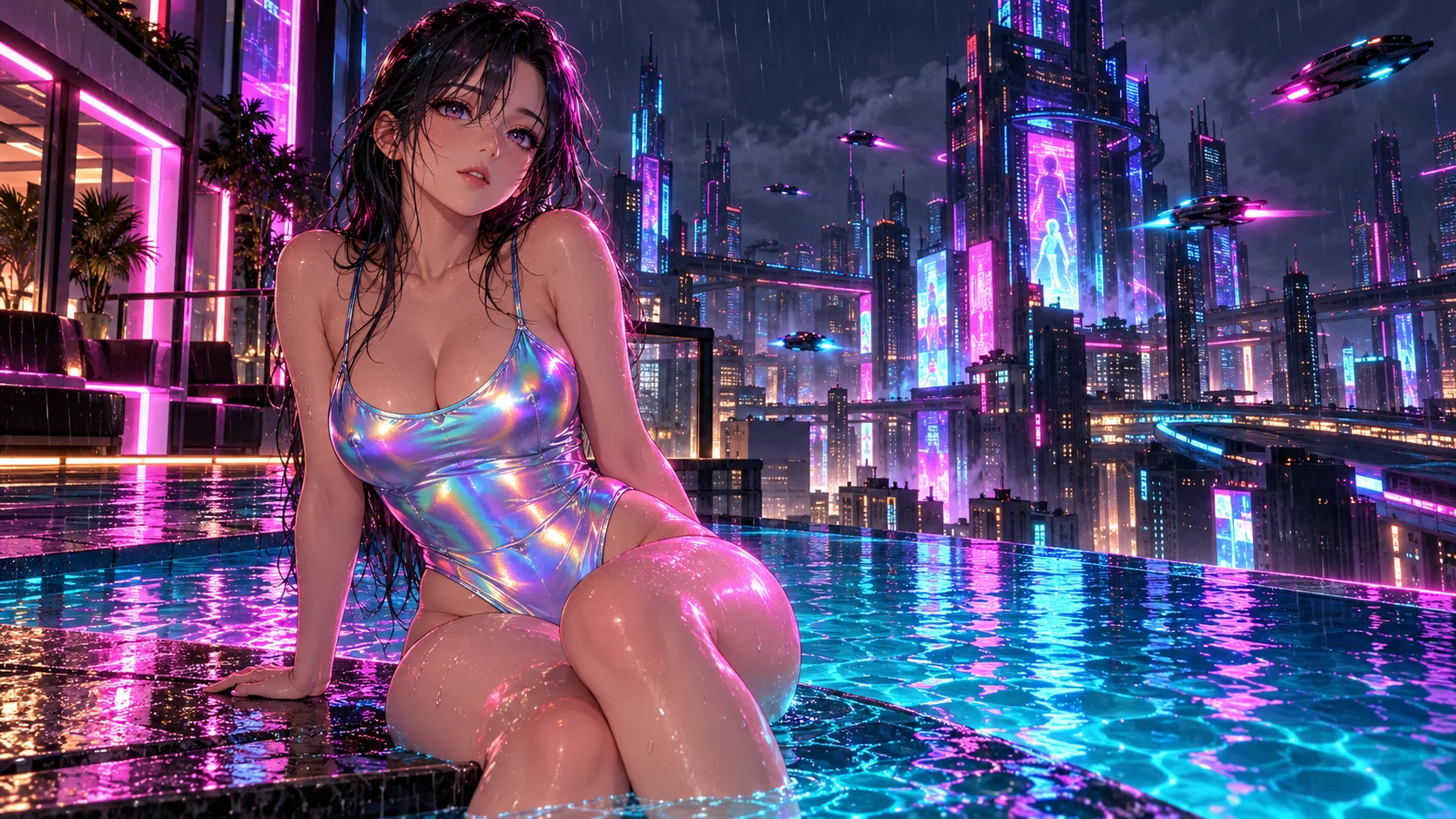
anime character in an iridescent swimsuit at a neon city pool
Editorial illustration from the existing artwork set. Not a provider test result.
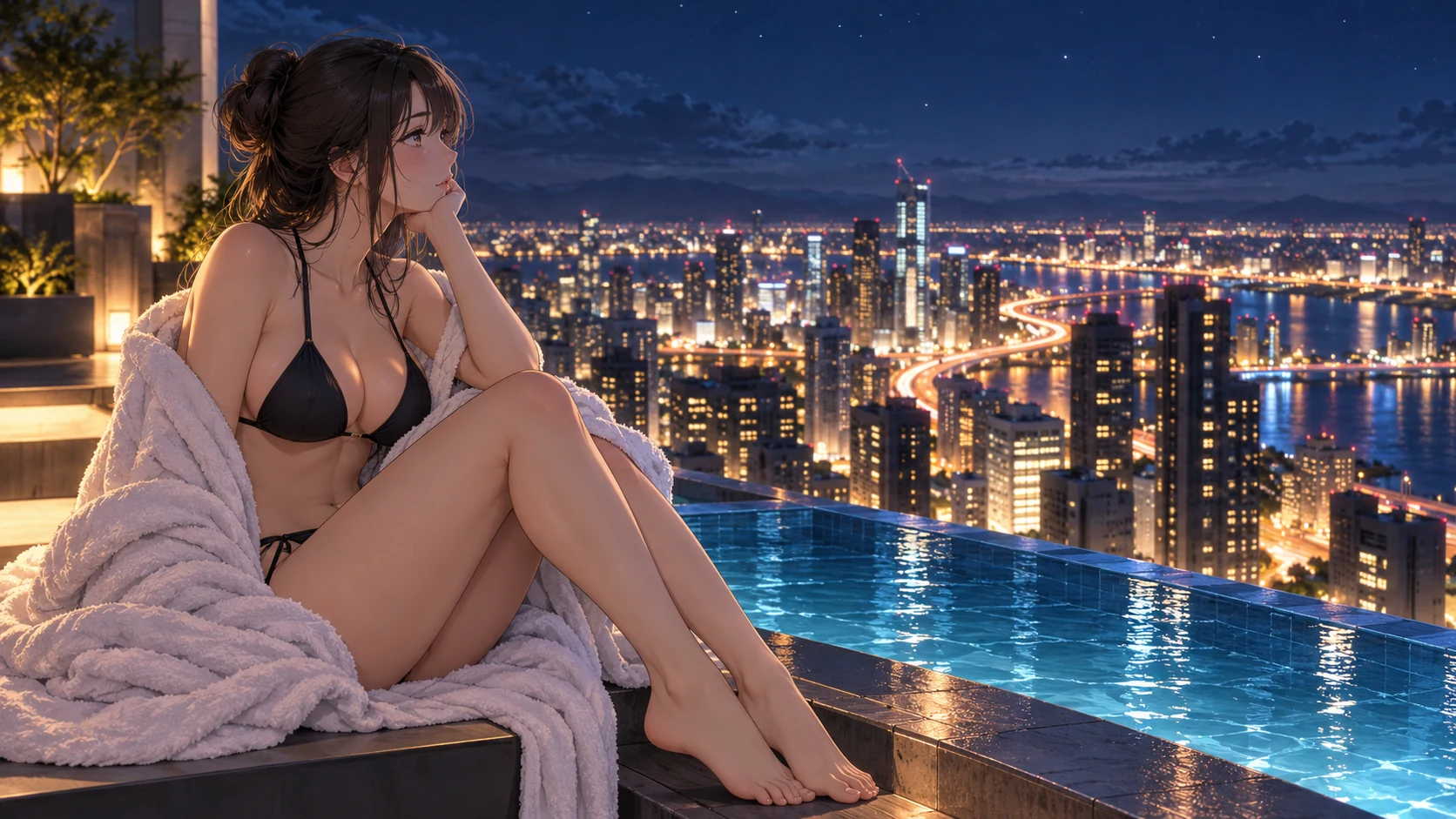
anime character in a black swimsuit at a rooftop pool at night
Editorial illustration from the existing artwork set. Not a provider test result.
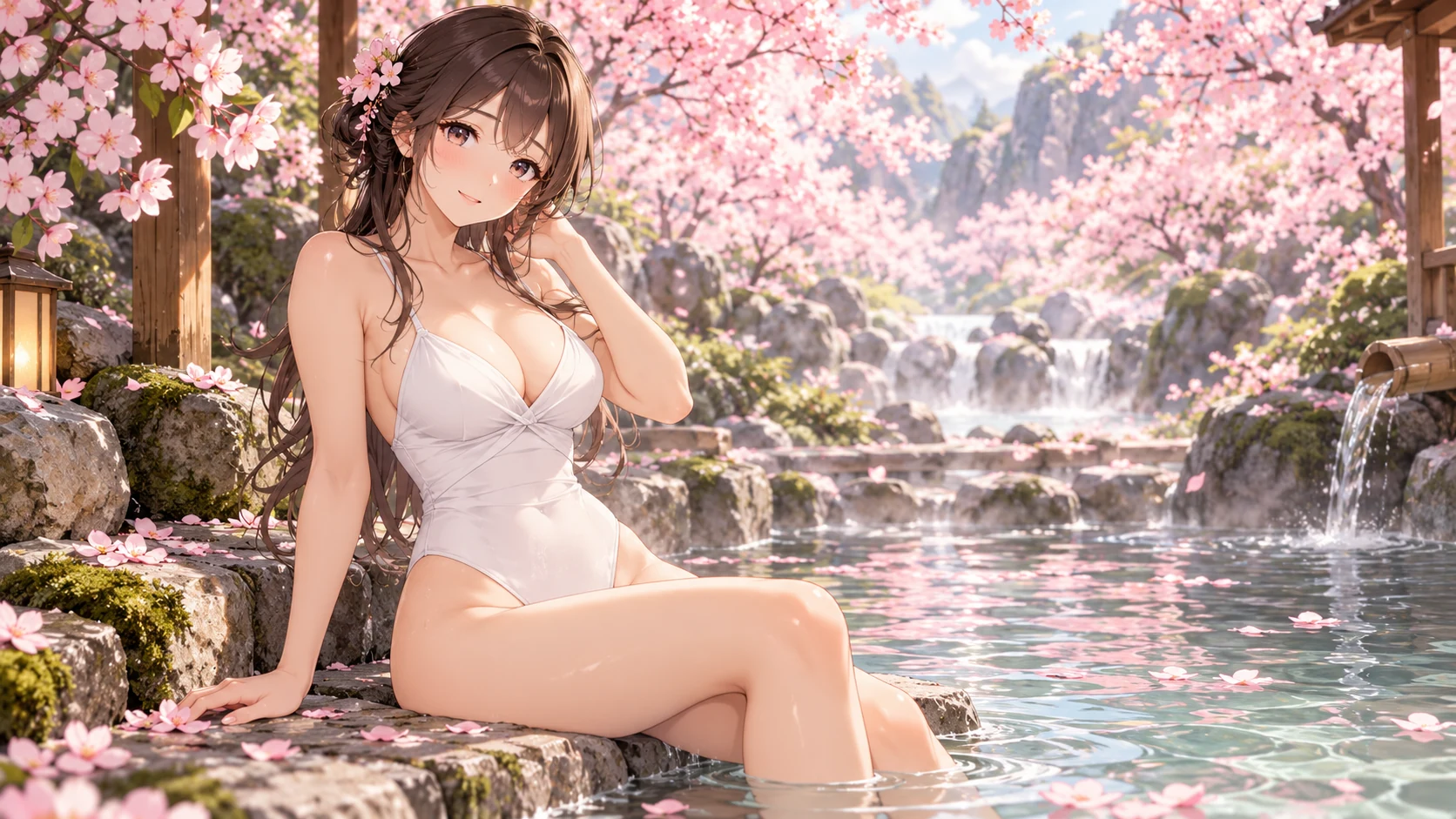
anime character in a white swimsuit beside cherry blossoms and a pool
Editorial illustration from the existing artwork set. Not a provider test result.
An illustration is not a catalog preview
Editorial art gives a guide a visual setting; a publisher’s preview represents a specific work.
That distinction matters when you choose a book, video or game. The artwork on Hitomila does not prove that a linked provider carries a particular character, title or scene. Read the provider’s own permitted preview and product details for the work you intend to access.
For manga, a preview can help with translation and panel clarity. For animation, an authorized clip can introduce performance and playback. For a game, release information and a supplied demo can help with controls. Each serves a different purpose from a decorative editorial image.
Use the format and access guides for those decisions. Keeping the illustration’s role clear lets the gallery remain enjoyable without turning the picture into an unsupported claim about a catalog, translation or service result.
Crop and screen shape change the view
Portrait presentation
A portrait card can emphasize the character, while a wide background can give more space to the setting. Different crops of an illustration show different parts of the same composition. They do not necessarily represent different images or outputs.
On a phone, the available screen shape can hide part of a wide scene. An appropriate focus keeps the subject visible while the original image remains the source. That is a presentation choice, separate from the rights to the image and separate from a claim about how it was created.
Wide-scene presentation
On a larger screen, more of the environment can be visible at once. Look at how the setting relates to the figure and how the light connects them. A different presentation can change what you notice first without changing the content role of the artwork.
The mobile guide deals with reading, playback and controls at a provider. This gallery illustrates visual presentation only. It is not a speed benchmark or a compatibility test for an external editor or player.
Selected artwork does not report the work behind it
A finished image cannot show every attempt, setting or source involved in making it.
For a documented service sample, the useful record would identify the input, task, selected mode, date and relevant settings. It would also record attempts and the useful output. Without that context, a picture can illustrate a style but cannot establish the cost or reliability of obtaining it.
We therefore keep the gallery separate from the public feature comparison . The tools are described through identifiable provider information, while these images support the editorial presentation. There is no numerical quality ranking derived from the gallery.
If an example is later used as a recorded test result, it needs the evidence described by our method . A caption should explain that change rather than leaving readers to assume that every attractive illustration came from the provider linked beside it.
Keep visual inspiration separate from copying
Learning from presentation
You can notice a palette, lighting direction or balance of figure and environment without reproducing someone else’s work. For an original project, think about the visual decision that interests you and use source material you are permitted to work with.
A download, screenshot or purchased edition does not automatically establish permission for commercial reuse. Keep the image’s source and applicable rights with your project records. If a permission is unclear, clarify it with the rights holder rather than relying on the presence of a gallery.
Using permitted material
For a personal reading or viewing session, follow the publisher’s authorized access options. Hitomila does not redistribute book pages, anime episodes or game files. The terms page explains the editorial scope and the role of third-party services.
For an artwork tool, the source permission and the provider’s current content policy both matter. The ability to perform an operation is separate from permission to use a particular image. Our safety guide keeps those questions close to the decision.
The gallery has a defined content boundary
These images illustrate adult fictional characters and do not form a user-uploaded library.
Hitomila does not accept submissions, run a public image generator or host a community feed. That keeps this gallery separate from external services where users may create, save or publish their own outputs. The provider’s policies govern those activities at its own site.
We do not present material involving minors, ambiguous age, coercion or sexual violence. The gallery’s purpose is editorial visual context, not explicit scenes. A category label elsewhere in the site does not change that boundary.
The privacy page describes the publication’s limited functions, while the content and recordkeeping notice records the site’s content role without asserting an unverified legal classification. Those notices are separate from an artwork or product performance claim.
Identify an image clearly when raising a concern
Editorial questions
A useful report names the page and the image or caption involved. You can describe its position, visual subject and the statement you believe needs attention. Avoid attaching intimate or unrelated personal material merely to explain a concern about this editorial gallery.
For an editorial correction, use the editorial contact information . For a copyright report, the copyright page explains identifying information. A precise reference is more useful than a broad claim about every illustration on the site.
Rights and provider questions
If your question concerns an image saved or generated at a linked provider, contact that service through its official route. The gallery does not manage its account, outputs or storage. A service card here does not transfer those functions to Hitomila.
Keep the explanation focused on the material and the relevant rights or statement. The aim is to assess an identifiable item without redistributing harmful content or collecting personal information that the issue does not need.